


Medical experts say there isn’t enough data to know whether convalescent plasma works
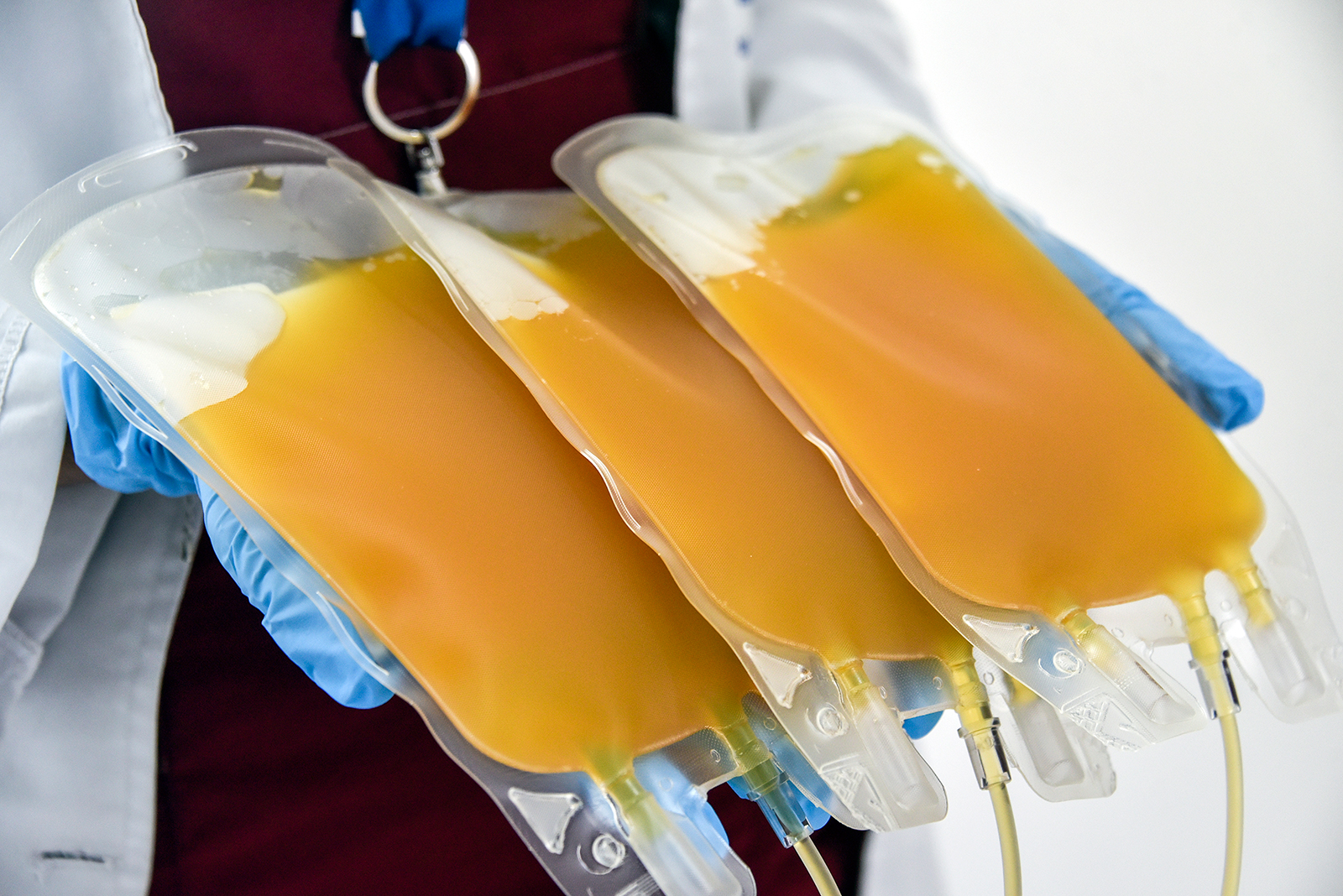
The US Food and Drug Administration gave emergency use approval to convalescent plasma as a treatment for coronavirus Sunday, but some experts say there is not a lot of solid data to support its use.
The problem is, we don’t really have enough data to really understand how effective convalescent plasma is,” Dr. Jonathan Reiner, a professor of medicine at George Washington University and a CNN medical analyst, told CNN Sunday.
Trump administration officials cited a Mayo Clinic-led study that showed a 35% improvement in survival among people given the highest doses of the treatment early on in their illness compared to those who were treated later. Reiner pointed out this is not the same as a randomized placebo-controlled clinical trial, medicine’s gold standard, which can demonstrate whether the treatment really works better than not treating people.
“We don’t know compared to a placebo whether convalescent plasma is effective but we have recent data that suggests that people who receive convalescent plasma early, or earlier do better than those that get it later. And there is some data from this,” Reiner said. “This is the best data that we have and the best data that we have seems to suggest that it’s safe. But as recently as four days ago, the FDA stated on their website that it has not been proven that this therapy is both safe and effective.”
“While the data to date show some positive signals that convalescent plasma can be helpful in treating individuals with COVID-19, especially if given early in the trajectory of disease, we lack the randomized controlled trial data we need to better understand its utility in COVID-19 treatment,” said Dr. Thomas File, president of the Infectious Diseases Society of America. “For this reason, IDSA supports the continued collection of data in randomized clinical trials to better understand the benefits of convalescent plasma treatment before authorizing its wider use in patients with COVID-19.”
Art Caplan, founding head of the Division of Medical Ethics at NYU School of Medicine, told CNN he did not think the evidence was sufficient for an emergency use authorization.
EUAs make sense when there’s real, clear evidence of benefit, and they should be evidence about what that evidence is,” Caplan told CNN. “From what I’ve seen, I don’t think there’s enough evidence in hand to do this.”
At a White House briefing Sunday night, President Trump and Health and Human Services Secretary Alex Azar urged coronavirus survivors to donate plasma.
Caplan said he’s worried about whether there’s a large enough supply of convalescent plasma, which relies on donations from Covid-19 survivors. Under an emergency use authorization, doctors will be more likely to give convalescent plasma without tracking data, so it will then be difficult to determine which donors have the most effective plasma, and which patients are the best candidates to receive it.
We’re going to get a gold rush towards plasma, with patients demanding it and doctors demanding it for their patients,” Caplan said.