

Opinion: It’s time to face the new reality on mask wearing
But now that we better understand the real risks of Covid, and that vaccines are rolling out, might it be time to adjust our social mores?
Indoors is a different story. It’s clear that masks work, and that Covid thrives in contained spaces where people are breathing the same air. Masks remain necessary, and should be mandated, in the grocery store, on public transport, on airplanes and in airports, and anywhere else we’re inside. And given that Covid rates continue to climb, it’s absurd that we’re allowing indoor dining, drinking and event-attending, particularly among the unvaccinated.
Crowded outdoor events are also a bad idea without masks. A concert where revelers are pressed together and everyone is screaming and singing for hours is practically inviting infections. Two unvaccinated people sitting inches away from each other and talking at length are taking a risk, even if they are outside.
All other things being equal, though, outdoors is preferable to indoors.
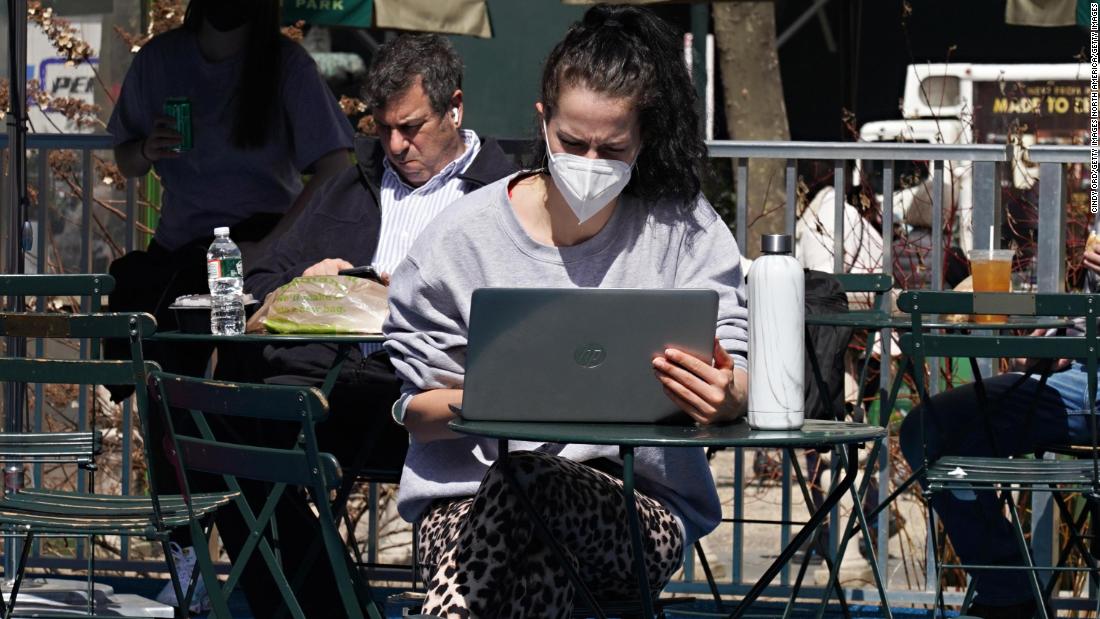
Maybe we should do what so many liberals demand and follow the science instead of our political beliefs. The directives could be pretty simple: mask up indoors, in a crowd or at close distance. Don’t feel you have to if you’re outdoors and vaccinated, or outdoors and not getting close to anyone for more than a few seconds.
We are shifting toward a new normal, and that will be rocky — our social skills are rusty and our anxieties high. Simply being near strangers pitches many of us into hypervigilance. And we want to demonstrate that we are doing our part to protect our communities.
But we can put a balanced public health perspective at the center of this readjustment, and trust that our fellow citizens know the difference between outside and in.
For the record, I’m still wearing my mask outside, because that is considerate behavior in my community.
But I’d love to reach a point where our mask-wearing norms more fully aligned with our values, and signaled that we believe in science and care about others — that we value their mental health and overall well-being, and that we trust their ability to distinguish between high and low risk.