

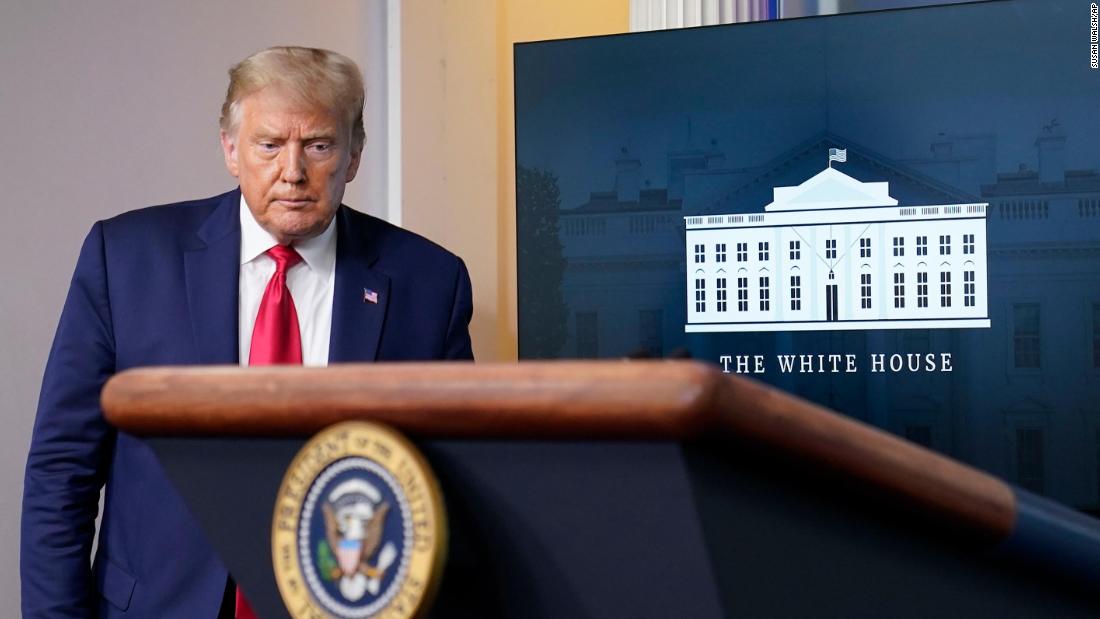
Opinion: It’s hard to write a tell-all book when Trump is constantly telling on himself
More bombshells are sure to come. But will any of it have a lasting impact? Is it possible for investigative journalists — even those as high-profile as Woodward — to move the needle on public opinion these days?
The US has changed drastically since Woodward and his partner Carl Bernstein published “All the President’s Men” in the final weeks of the Nixon presidency. The landmark book, which came out on June 15, 1974, was later adapted for the big screen in a film starring Robert Redford as Woodward and Dustin Hoffman as Bernstein.
Woodward and Bernstein broke story after story in the Washington Post. Their reporting helped connect the White House to the burglars who broke into the Democratic National Headquarters at the Watergate complex, exposing the larger illicit operation.
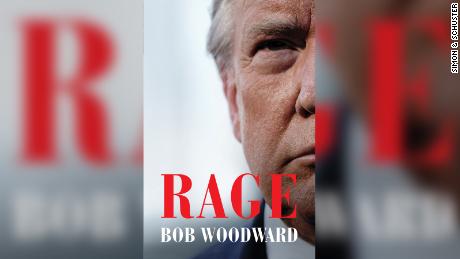
Woodward and Bernstein’s work remains one of the greatest examples of journalism’s ability to speak truth to power, and their investigation changed Washington. Former Georgia Gov. Jimmy Carter won the 1976 presidential election against incumbent President Gerald Ford in large part because he promised to be trustworthy and usher in a cleaner era of politics. The fact that he was an outsider appealed to many voters who were disillusioned by politics. And for decades, the specter of an investigative report that might include a “smoking gun” — like the tape that revealed Nixon’s involvement in the cover-up, which ultimately led to his resignation — struck fear in the hearts of politicians.
Fast forward to 2020 and things are vastly different. It is possible that Woodward’s book won’t do much to sway public opinion. The intense partisan polarization in the electorate means that there are fewer undecided voters who might be swayed either way by the revelations in Woodward’s new book.
The nation has also become inured to shocking news stories — the barrage of tweets, alerts, notifications and breaking news reports makes it difficult for people to understand what events are truly unprecedented and unacceptable. It’s ironic that the success of investigative journalism, as pioneered by Woodward and Bernstein, has made it more difficult for readers and viewers to differentiate a real crisis from politics as usual.

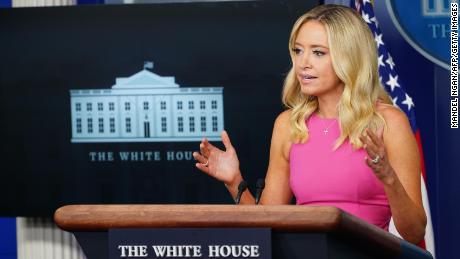
Journalism has also changed drastically in the last five decades, and many Americans no longer trust the fourth estate. Sensationalism, commercial incentives and the polemical coverage of politics, along with the oft-repeated cry of “fake news,” have left many wondering whether the person on their screens or the writer listed in the byline can be counted on for accurate information. The industry is under siege and the dire financial constraints of the digital era sometimes makes it trickier for first-rate journalism to break through.
But there is also something distinct about President Trump that seems to insulate him from this kind of reporting. It’s difficult to release a tell-all book that changes public opinion when the President is constantly telling on himself.
The political world where Woodward started his career seems long gone. As horrible as the politics of 1974 felt, there was something comforting about the fact that there were real ramifications for the wrongdoing Woodward and Bernstein revealed.
That’s not necessarily true today. The President has repeatedly pushed the limits of executive power, and it seems there is little anyone can do to stop him. This should be the real source of rage in our country, given the threat this poses to our democracy. Right now, however, it’s still unclear whether we will simply move on to the next story without batting an eye — or not.