

Russia refuses to launch internet satellites, pointing at sanctions
OneWeb, a London-based satellite startup striving for global internet connectivity and a key competitor to Elon Musk’s StarLink satellite internet constellation, was set to launch a batch of 36 internet satellites Friday as part of its plan for a 648-satellite constellation. But those plans are now in jeopardy as Roscosmos, Russia’s space agency, appears set to roadblock the effort.
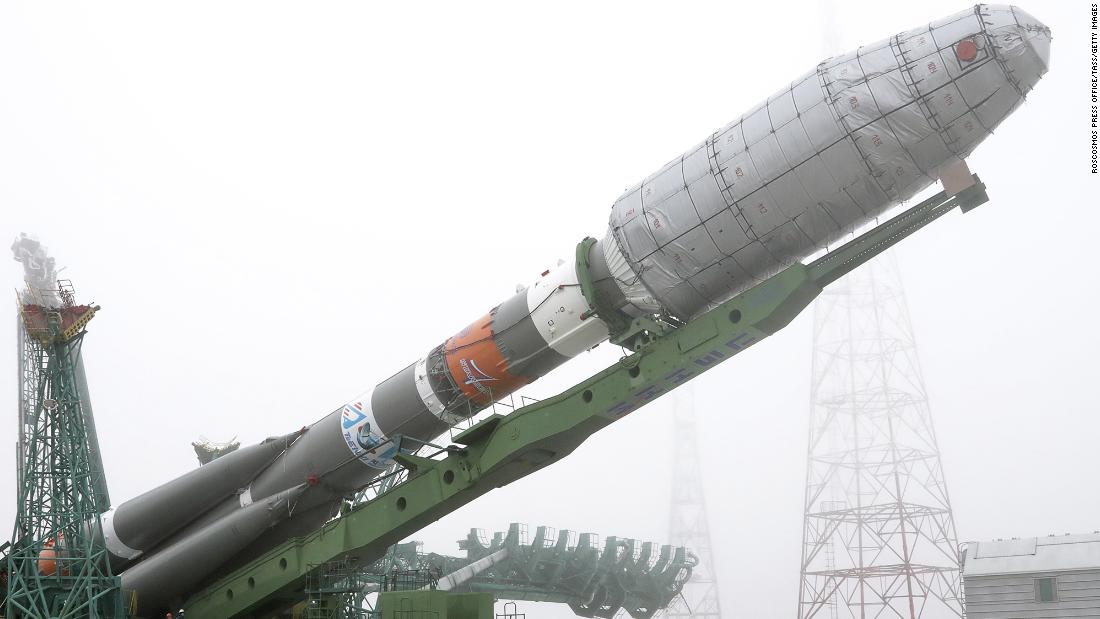
A Russian-built Soyuz rocket operated by France’s Arianespace SA was meant to deliver the satellites into low Earth orbit, launching from Russia-owned Baikonur Cosmodrome in Kazakhstan. OneWeb and Russia inked a multi-year deal for satellite launches, with the company launching its satellites exclusively on Russia’s Soyuz rocket.
But Dmitry Rogozin, Director General of Roscosmos and a former Deputy Prime Minister with a flair for inflammatory rhetoric, is refusing to go ahead with what should be a routine launch in response to UK sanctions on Russia following the invasion of Ukraine.
Rogozin has tweeted flamboyant statements in the past in response to Western sanctions — namely in 2014 after the Russian annexation of Crimea. “After analyzing the sanctions against our space industry, I suggest to the USA to bring their astronauts to the International Space Station using a trampoline,” Rogozin said at the time on Twitter following US sanctions against Russia’s space sector.
Despite Rogozin’s flamboyant tweets and interviews, the United States and Russia have historically cooperated in space. While tensions on Earth have led to threats of premature exit, Rogozin has promised Russia will remain NASA’s partner at the International Space Station at least until the station is eventually retired.
OneWeb did not immediately respond to CNN’s request for comment.